
glass wall mirror for living room
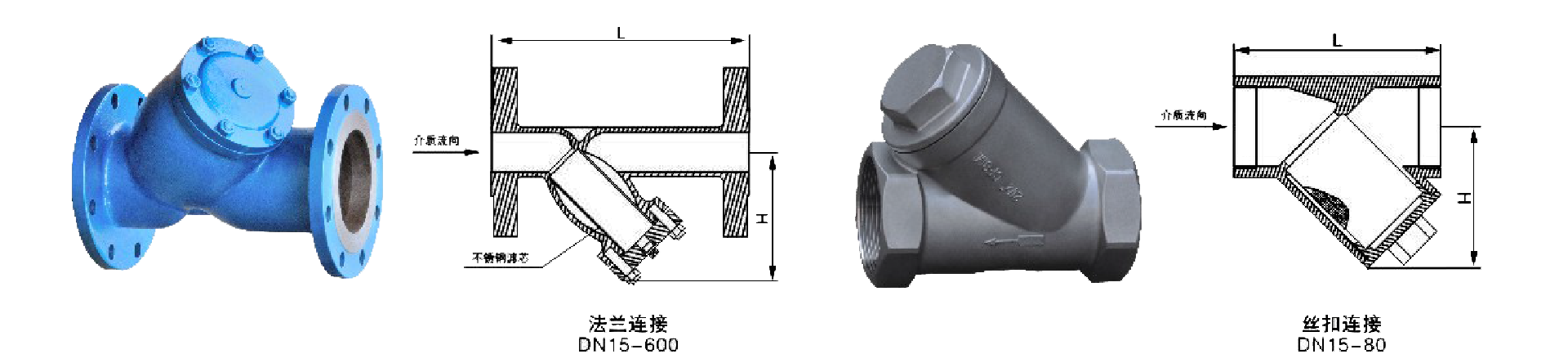
Understanding Disc Type Check Valves A Comprehensive Overview Check valves are essential components in many fluid systems, ensuring that flow occurs in one direction while preventing backflow. Among the various designs of check valves, the disc type check valve stands out due to its unique mechanism and advantages in specific applications. This article will explore the features, benefits, applications, and maintenance of disc type check valves. What is a Disc Type Check Valve? A disc type check valve is a type of non-return valve that utilizes a disc as its primary closure element. This disc is typically attached to a hinge or pivot point, allowing it to rotate or lift in response to the fluid flow. When the fluid moves in the intended direction, the disc opens, allowing flow through the valve. Conversely, if the flow attempts to reverse, the disc closes swiftly to prevent backflow, thereby protecting the system from contamination or damage. Key Features 1. Design Variants Disc type check valves come in various designs, including tilting disc and lift disc varieties. The tilting disc design allows for a wider flow area and is usually preferred for larger systems, while lift disc valves are more compact and suitable for applications with lower flow rates. 2. Materials These valves can be made from a range of materials including stainless steel, brass, and plastic, enabling them to withstand different pressures, temperatures, and chemical environments. 3. Pressure Ratings Disc type check valves are available in a range of pressure ratings, making them suitable for both high-pressure and low-pressure applications. Benefits - High Flow Efficiency Due to their streamlined design, disc type check valves offer minimal flow resistance, enhancing the overall efficiency of the system. - Quick Response The lightweight disc mechanism provides rapid closure, minimizing the risk of backflow and ensuring system integrity. - Versatility These valves are adaptable for various applications, including water, oil, gas, and chemical systems, making them a preferred choice in many industries. Applications disc type check valve Disc type check valves are utilized in a diverse array of industries - Water and Wastewater Treatment They help prevent contamination and protect pumps and other equipment from backflow . - Oil and Gas In pipelines transporting hydrocarbons, these valves ensure that the flow remains unidirectional, vital for operational safety. - HVAC Systems They are employed to prevent system damage and maintain efficiency in heating and cooling applications. - Chemical Processing The ability to tailor materials for corrosive environments makes them suitable for various chemical applications. Maintenance and Care To ensure the longevity and proper functionality of disc type check valves, regular maintenance is crucial. This includes - Routine Inspections Checking for signs of wear, tear, or corrosion. - Cleaning Removing any debris or buildup that may hinder the operation of the disc. - Testing Periodically testing the valve under operational conditions to confirm its reliability. Conclusion In summary, disc type check valves are vital components in various fluid systems. Their efficient design, quick operational response, and versatile applications make them irreplaceable in industries ranging from water treatment to chemical processing. Proper maintenance is essential to ensure their durability and functionality, thus safeguarding the systems they are integrated into. Understanding their features and applications can help engineers and technicians select the right valve for their specific needs, contributing to safe and efficient operations.
about
glass wall mirror for living room
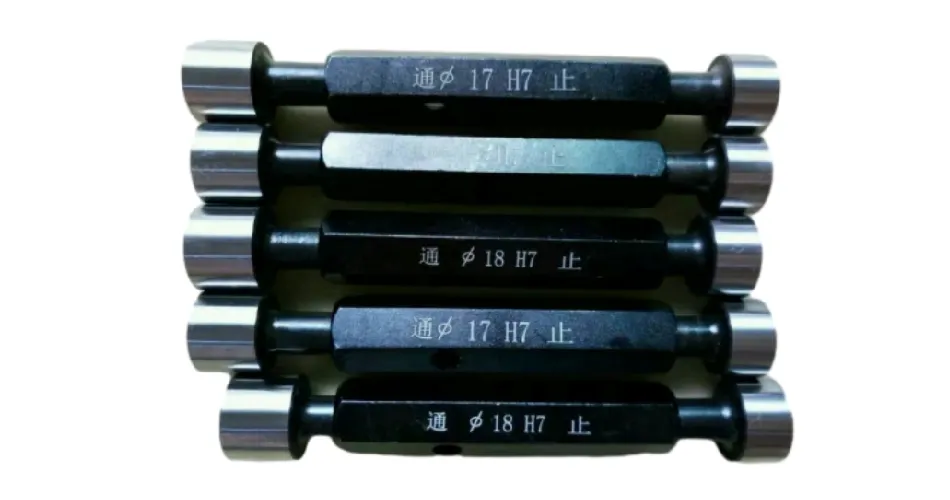
Understanding Thread Gauge Plugs A Comprehensive Guide Thread gauge plugs are essential tools in various industries, particularly in manufacturing, engineering, and quality control. These plugs are designed to measure the internal thread specifications of a component, ensuring that parts fit together as intended and function correctly. With the increasing complexity of mechanical assemblies, understanding how thread gauge plugs work and their applications is vital for maintaining high standards of precision and quality in production. What is a Thread Gauge Plug? A thread gauge plug is a precision instrument that verifies the dimensions and quality of internal threads within a component. The plug features a specific thread profile cut into it, which corresponds to a particular standard, such as ANSI, ISO, or JIS. These plugs are often made from high-quality steel and can undergo various treatments to enhance durability and resistance to wear. Thread gauge plugs can be classified into two main categories Go and No-Go gauges. The Go gauge checks if the internal thread is within tolerable limits, allowing for a smooth fit of the mating part. In contrast, the No-Go gauge ensures that the thread does not exceed the maximum acceptable limits. Together, these gauges help enforce consistency in manufacturing processes and reduce the likelihood of assembly issues. The Importance of Thread Gauge Plugs Understanding the importance of thread gauge plugs is crucial for maintaining quality control and ensuring the longevity of assembled products. Here are several reasons why they are so valuable in manufacturing 1. Quality Assurance By utilizing thread gauge plugs, manufacturers can establish a systematic approach to inspecting threaded components. Regular inspections prevent defects from reaching the final assembly stage, ensuring that every part functions as designed. 2. Consistency In large-scale production, maintaining consistency across components is vital. Thread gauge plugs help standardize measurements, reducing variations that can lead to fitting issues when parts are assembled. 3. Cost Efficiency Identifying and resolving thread issues early in the production process can save significant costs associated with rework or scrapping defective parts . Investing in proper measurement tools, such as thread gauge plugs, ultimately contributes to a more efficient manufacturing process. thread gauge plug 4. Enhanced Performance Components that fit together correctly are less likely to encounter stress or fatigue during operation. Ensuring precise threading can enhance the lifespan of the end product and improve overall performance. How to Use Thread Gauge Plugs The proper use of thread gauge plugs is critical for accurate measurement. Here are the steps to follow 1. Select the Appropriate Gauge Choose the plug gauge that corresponds to the thread specification you are measuring. It is essential to ensure that you are using the correct standard for your application. 2. Clean the Threaded Area Before inserting the gauge, ensure that the internal threads are clean and free of debris. Dirt or oil can lead to inaccurate measurements. 3. Test the Go Gauge First Insert the Go gauge into the threaded hole. It should easily engage, indicating that the thread is within acceptable limits. If it does not fit, the thread may be undersized. 4. Check with the No-Go Gauge Following the Go gauge test, insert the No-Go gauge. It should not engage with the thread; if it does, the thread is oversized or out of tolerance. 5. Document and Evaluate the Results After testing both gauges, record the results. If any discrepancies are found, review the manufacturing process to identify potential areas for improvement. Conclusion Thread gauge plugs are critical tools for ensuring the quality and consistency of threaded components in various industries. Their role in quality control cannot be overstated, as they help maintain the standards necessary for seamless mechanical assemblies. Understanding the functioning and application of thread gauge plugs is essential for anyone involved in manufacturing or quality assurance, highlighting their contribution to efficient production processes and enhanced product performance. Proper use of these gauges can lead to significant long-term benefits, making them an indispensable asset in any manufacturing environment.
-

High quality industrial productsagement

High quality industrial products
View Details -

Meet the diverse needs of customers

Meet the diverse needs of customers
View Details -

Strict quality control

Strict quality control
View Details -

Top raw materials

Top raw materials
View Details -

Trusted supplier

Trusted supplier
View Details
Our application



news and information

Versatile Snap Gauge with Adjustable Range for Precise Measurement in Various Applications
Understanding Adjustable Snap Gauge Ranges In the world of precision measurement, tools like the adj
welding table manufacturer
The Importance of Choosing the Right Welding Table Manufacturer Welding is a critical process in var

Water Hose Shutoff Valve for Efficient Water Control and Usage Management
The Importance of a Water Hose Shut-Off Valve When it comes to managing water flow in your garden or
 English